

An umbilical hernia occurs when part of the intestine or fatty tissue pushes through a weak spot near the belly button (navel). It can cause swelling, discomfort, and pain, and may need treatment to prevent complications.
At Medisure Surgery Care, we provide expert diagnosis and treatment for umbilical hernia with modern, minimally invasive techniques.
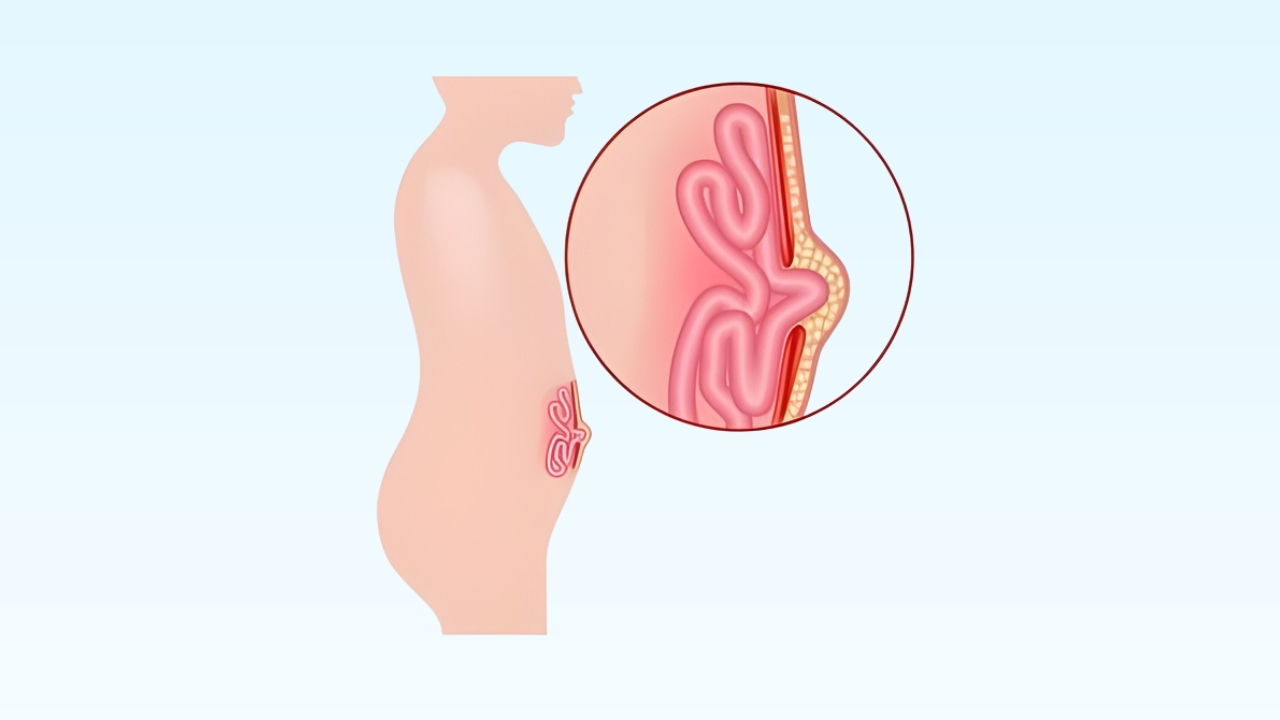
What Is an Umbilical Hernia?
An umbilical hernia is a protrusion near the belly button caused by weakness in the abdominal muscles. While common in infants (where they often close naturally), it can also occur in adults due to pressure or persistent muscle weakness.
In many cases, adult umbilical hernias require surgical repair to prevent serious complications like obstruction or strangulation of the bowel.
Symptoms of Umbilical Hernia
- Bulge: A visible lump or swelling near the belly button.
- Discomfort: Pain especially when lifting, coughing, or bending over.
- Severe Signs: Nausea or vomiting if the hernia becomes trapped.
- Tenderness: Redness or sensitivity over the bulge area.
- Sometimes the hernia may be asymptomatic and only noticed during a routine exam.
Causes of Umbilical Hernia
Increased pressure on the abdominal wall is the primary cause:
- Weak abdominal muscles (congenital or acquired).
- Obesity or sudden weight gain.
- Multiple pregnancies or heavy labor.
- Fluid accumulation in the abdominal cavity (Ascites).
- Chronic coughing or long-term constipation.
- Previous abdominal surgeries in the navel area.
How Is Umbilical Hernia Diagnosed?
Our specialists use clinical and diagnostic tools for accuracy:
- Physical Examination: Checking if the hernia can be "reduced" (pushed back).
- Ultrasound/CT Scan: If required, to check the size and contents of the hernia sac.
Treatment Options for Umbilical Hernia
Non-Surgical Management
For very small, asymptomatic hernias, a "wait and watch" approach might be recommended, along with lifestyle changes to reduce abdominal pressure.
Surgical Repair (Hernioplasty)
Recommended for larger, painful, or growing hernias. Modern techniques at Medisure include:
- Laparoscopic (Keyhole) Surgery: Small incisions, less pain, and a much faster recovery.
- Mesh Repair: Using a specialized medical mesh to strengthen the weak spot and prevent recurrence.
- Safe & Effective: Designed for long-term correction with minimal scarring.
Recovery After Umbilical Hernia Surgery
- Patients usually experience only mild discomfort for a few days.
- Gradual return to normal activities is expected within a week.
- Avoid heavy lifting or strenuous exercise for a few weeks as advised by the surgeon.
- Regular follow-up visits ensure the internal site is healing properly.
Is Umbilical Hernia Surgery Safe?
Yes, modern hernia repair, especially laparoscopic surgery, is safe and highly effective when performed by experienced surgeons. At Medisure Surgery Care, we focus on patient safety, comfort, and long-term results to ensure you return to a healthy life.
Why Choose Medisure Surgery Care?
- Experienced General Surgeons: Specialists in abdominal wall reconstruction.
- Advanced Laparoscopic Techniques: Minimally invasive for better cosmetic results.
- Quick Recovery: Efficient protocols to reduce hospital stay.
- Financial Flexibility: Insurance support and No-cost EMI options.
- End-to-End Care: Full support from consultation through to after-surgery care.
Get Safe Relief from Umbilical Hernia
Don’t ignore bulges or pain near your belly button—early treatment prevents complications and restores your core strength.
📞 Call / WhatsApp Medisure Surgery Care today to book your umbilical hernia consultation.
Medisure Surgery Care — From Consultation to After Surgery.