

An enlarged prostate, medically known as Benign Prostatic Hyperplasia (BPH), is a common condition in aging men. It occurs when the prostate gland grows in size and presses on the urinary tube (urethra), causing difficulty in passing urine.
At Medisure Surgery Care, we offer advanced and minimally invasive treatments for enlarged prostate to help men regain comfort and confidence.
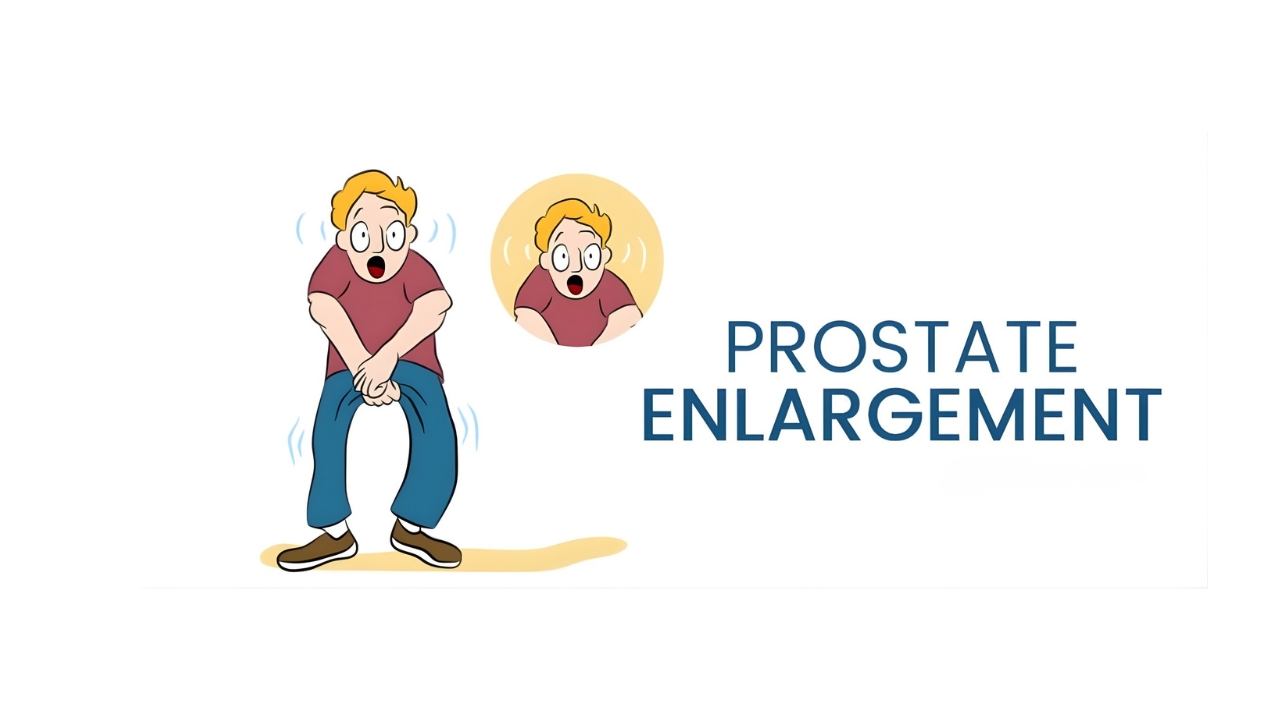
What Is an Enlarged Prostate?
The prostate is a small, walnut-shaped gland located below the bladder and around the urethra. As men age, the prostate may grow larger and block urine flow.
It is important to note that BPH is non-cancerous, but if left untreated, it can lead to urinary tract infections, bladder stones, or even kidney damage.
Symptoms of Enlarged Prostate
- Weak or slow urine stream.
- Difficulty starting urination.
- Frequent urge to urinate, especially at night (Nocturia).
- Feeling of incomplete bladder emptying after urination.
- Dribbling after urination.
- Sudden inability to urinate (Urinary retention) in severe cases.
Causes of Enlarged Prostate
The exact cause of BPH isn't fully understood, but it is believed to be linked to:
- Aging: Most men experience prostate growth as they get older.
- Hormonal changes: Shifts in testosterone and estrogen levels.
- Family history: Genetic predisposition to prostate issues.
- Obesity and lifestyle factors: Lack of physical activity and poor diet.
How Is Enlarged Prostate Diagnosed?
Our urologists use several tests to determine the severity of BPH:
- Digital rectal examination (DRE): To feel the size and shape of the prostate.
- PSA test: A blood test to rule out prostate cancer.
- Ultrasound of prostate: To measure the volume and check the bladder.
- Uroflowmetry: A test to measure how fast urine flows.
Treatment Options for Enlarged Prostate
Non-Surgical Treatment
- Medications: Alpha-blockers to relax prostate muscles or 5-alpha reductase inhibitors to shrink the prostate.
- Lifestyle changes: Reducing fluid intake before bed and avoiding caffeine.
Surgical Treatment
Recommended when medicines fail or symptoms significantly worsen quality of life:
- Laser Prostate Surgery (HoLEP/GreenLight): Highly effective with minimal blood loss.
- TURP (Transurethral Resection of Prostate): The gold standard for removing excess prostate tissue.
- Minimally invasive prostate procedures: Modern techniques that offer faster recovery.
Recovery After Prostate Surgery
- Short hospital stay or often a day-care procedure for modern techniques.
- Significantly improved urine flow within a few days.
- Mild discomfort or urgency that settles quickly.
- Return to normal activities within a few weeks.
Is Enlarged Prostate Treatment Safe?
Yes. Modern prostate treatments are safe, effective, and long-lasting when performed by experienced urologists. At Medisure Surgery Care, patient safety and faster recovery are our top priorities.
Why Choose Medisure Surgery Care for Enlarged Prostate Treatment?
- ✔ Experienced urologists with high success rates.
- ✔ Advanced laser & minimally invasive techniques.
- ✔ Faster recovery with minimal post-operative discomfort.
- ✔ Insurance assistance & No-cost EMI options.
- ✔ End-to-end care from initial consultation to complete recovery.
Takeaway
Enlarged prostate is a natural part of aging for many men, but it should not be ignored. Early diagnosis and proper treatment can greatly improve your urinary symptoms and overall quality of life.
📞 Call / WhatsApp Medisure Surgery Care today to book your prostate consultation.
Medisure Surgery Care — From Consultation to After Surgery.