

Deep Vein Thrombosis (DVT) is a serious medical condition in which a blood clot forms in a deep vein, usually in the legs. If not treated on time, the clot can travel to the lungs and cause a life-threatening condition called pulmonary embolism.
At Medisure Surgery Care, we provide expert care and advanced treatment options for DVT to ensure patient safety and long-term recovery.
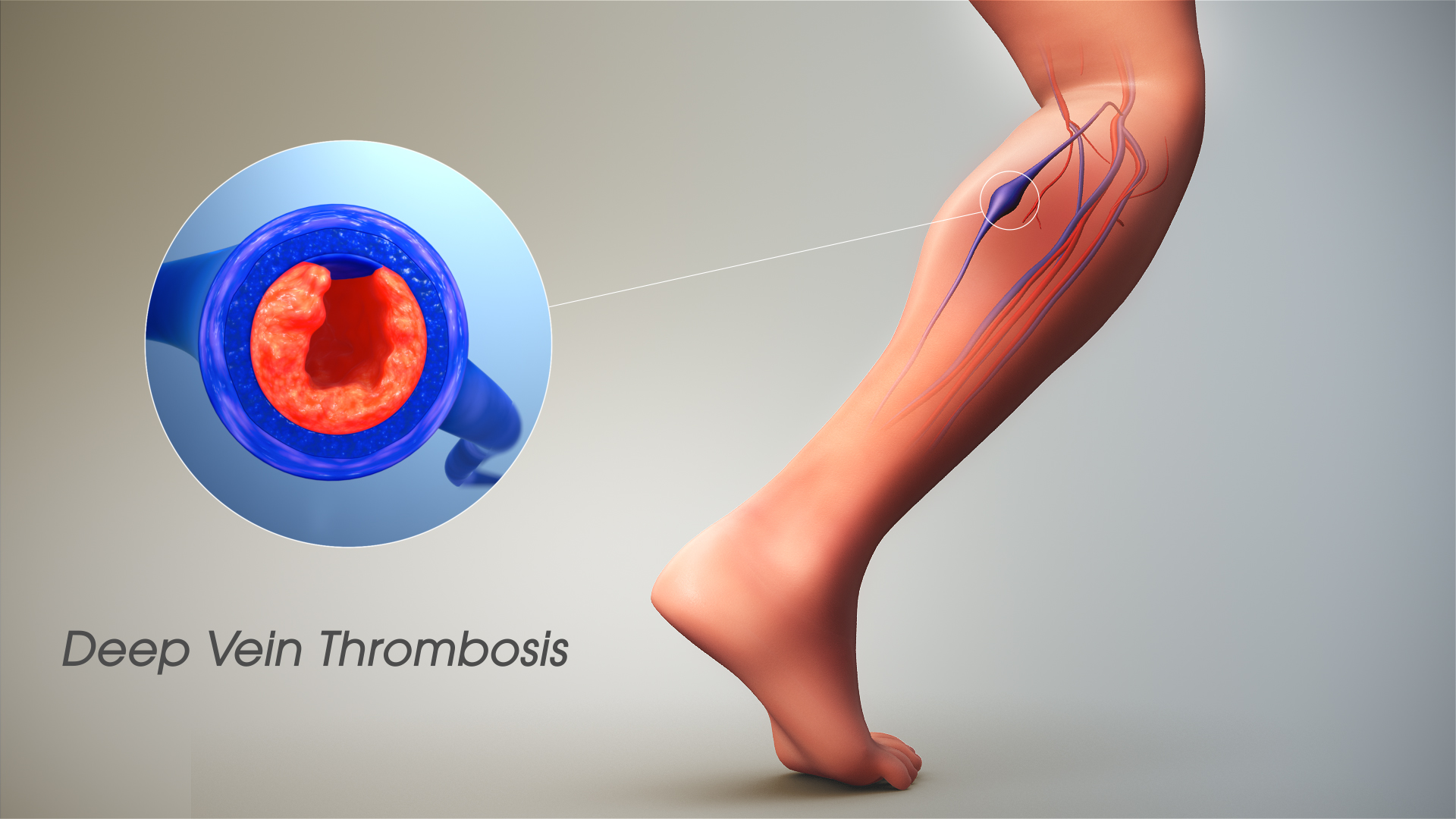
What Is Deep Vein Thrombosis?
DVT occurs when blood flow slows down or changes, causing a clot to form inside a deep vein. This clot can partially or completely block blood flow, leading to localized pain and swelling. The most significant danger arises if the clot breaks loose (embolus) and travels through the bloodstream to the lungs.
Symptoms of Deep Vein Thrombosis
- Swelling: Usually in one leg, though rarely it can occur in both.
- Pain/Tenderness: Often starts in the calf and can feel like cramping or soreness.
- Warmth: The skin in the affected area feels warmer than the surrounding skin.
- Discoloration: Red or bluish skin on the leg.
- Leg Heaviness: A persistent feeling of tightness or weight in the limb.
Causes and Risk Factors
- Immobility: Long periods of bed rest or long-distance travel (flights/drives).
- Surgery or Injury: Physical trauma to the veins can trigger clotting.
- Lifestyle: Obesity and smoking significantly increase risk.
- Medical Conditions: Pregnancy, certain cancers, and family history of blood disorders.
- Medications: Hormone replacement therapy or birth control pills.
How Is DVT Diagnosed?
Early diagnosis is critical. Our specialists use:
- Doppler Ultrasound: The most common non-invasive test to visualize blood flow and clots.
- D-dimer Test: A blood test to look for fragments of blood clots.
- Venography or CT Scan: Used in selected complex cases for a detailed view of the vascular system.
Treatment Options for DVT
Medical Treatment
- Anticoagulants: Blood-thinning medications that prevent clots from getting larger or new ones from forming.
- Compression Stockings: Specialized hosiery to prevent swelling and reduce the risk of post-thrombotic syndrome.
Interventional & Surgical Treatment
- Thrombolysis: Clot-dissolving medication delivered directly into the clot via catheter.
- Mechanical Thrombectomy: Minimally invasive procedure to physically remove the clot.
- IVC Filters: A small filter placed in the vena cava to catch clots before they reach the lungs (used when blood thinners aren't an option).
Recovery After DVT Treatment
Recovery involves a gradual reduction in swelling and pain. Patients may need long-term medication management and lifestyle adjustments—such as regular movement and hydration—to prevent recurrence. Regular follow-ups with a vascular specialist are essential to monitor vein health.
Why Choose Medisure Surgery Care for DVT?
- ✔ Expert Vascular Team: Specialized surgeons with experience in complex clot management.
- ✔ Advanced Facilities: Modern diagnostic imaging and catheter-based treatment suites.
- ✔ Personalized Plans: Care tailored to your specific risk factors and clot location.
- ✔ Seamless Support: Assistance with insurance, EMI options, and comprehensive follow-up care.
Takeaway
Deep Vein Thrombosis is a serious condition that should never be ignored. Early diagnosis and proper treatment can save lives.
📞 Call / WhatsApp Medisure Surgery Care immediately to book your consultation.