

Axillary breast, also known as accessory breast tissue, is a condition where extra breast tissue develops in the underarm (armpit) area. This tissue is similar to normal breast tissue and may increase in size or become painful, especially during puberty, pregnancy, or menstrual cycles.
Axillary breast tissue is not dangerous, but it can cause discomfort, pain, and cosmetic concerns for many women.
At Medisure Surgery Care, we provide expert evaluation and safe treatment options for axillary breast conditions.
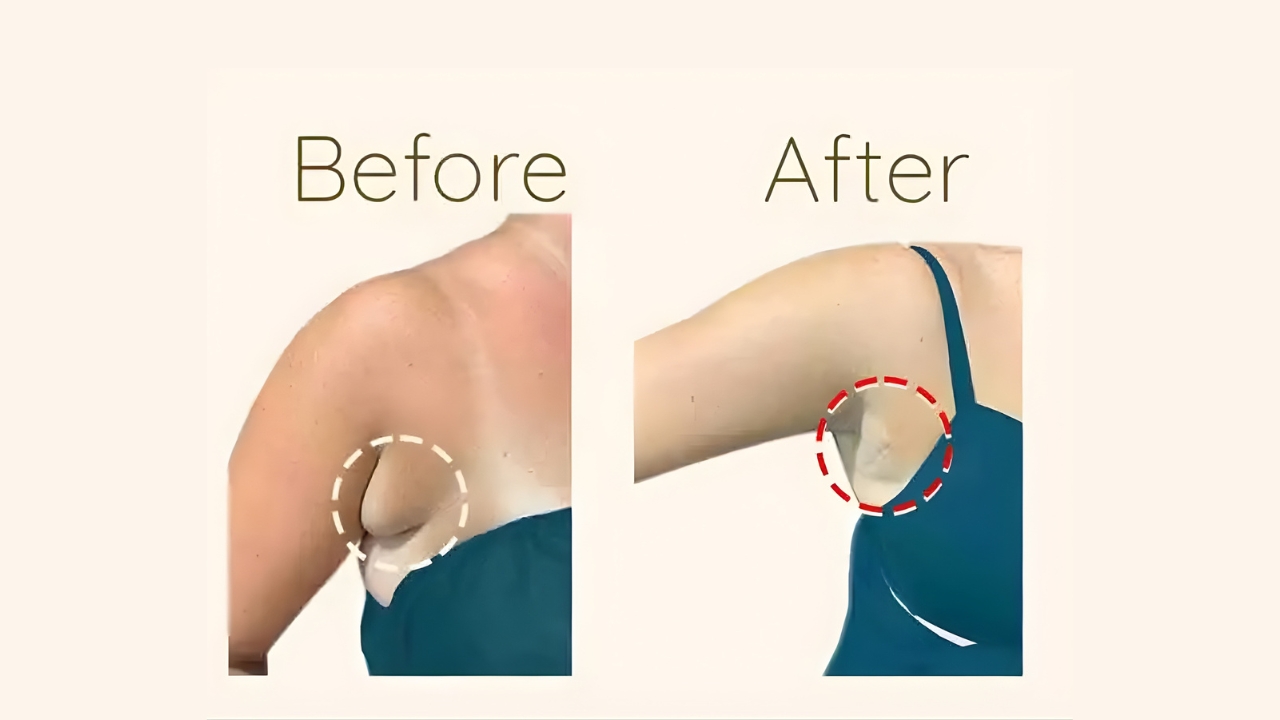
Why Does Axillary Breast Occur?
During early development in the womb, breast tissue forms along a line called the milk line, which extends from the armpit to the groin. Normally, this tissue disappears except in the chest area.
Axillary breast occurs when some breast tissue remains in the underarm region and grows later in life due to hormonal changes.
Common Symptoms of Axillary Breast
Women with axillary breast may experience:
- Soft or firm swelling in the armpit
- Pain or tenderness, especially before periods
- Increase in size during pregnancy or breastfeeding
- Discomfort while wearing tight clothes or bras
- Cosmetic concern and low confidence
The swelling may appear on one or both sides.
Is Axillary Breast Dangerous?
Axillary breast tissue is usually benign (non-cancerous). However, since it is true breast tissue, it can develop the same conditions as normal breasts, such as cysts or, rarely, tumors. That is why proper medical evaluation and monitoring are important.
How is Axillary Breast Diagnosed?
Diagnosis usually includes:
- Physical examination by a doctor
- Ultrasound or mammography (if required)
- MRI in selected cases
Doctors at Medisure Surgery Care ensure accurate diagnosis and rule out other conditions like lipoma or lymph node swelling.
Treatment Options for Axillary Breast
Treatment depends on the size of the tissue and symptoms.
1. Conservative Management
- Suitable for mild cases
- Regular monitoring
- Pain management if needed
2. Surgical Removal (Most Effective Treatment)
Surgery is recommended if the swelling causes pain, restriction in movement, or cosmetic concerns. Procedure overview:
- Done under local or general anesthesia
- Small incision made in the underarm
- Extra breast tissue is removed completely
- Minimal scarring with proper technique
This procedure provides permanent relief.
3. Liposuction for Axillary Breast
- Suitable for fatty-type axillary breast tissue
- Minimally invasive with quick recovery
- Often combined with surgical excision for best results
Recovery After Axillary Breast Surgery
- Mild swelling and discomfort for a few days
- Compression garment may be advised
- Most patients return to normal routine within a week
- Scar fades gradually with time
At Medisure Surgery Care, patients receive complete post-surgery care and follow-up support.
When Should You Consult a Doctor?
Consult a doctor if you notice persistent swelling, pain during periods, sudden increase in size, or difficulty in arm movement. Early consultation ensures proper diagnosis and timely treatment.
Takeaway
Axillary breast is a common and manageable condition. While it is usually harmless, treatment may be needed if it causes pain, discomfort, or cosmetic concern. Surgical removal offers long-term relief and improved confidence.
Why Choose Medisure Surgery Care for Axillary Breast Treatment?
At Medisure Surgery Care, we focus on safe, effective, and patient-centric treatment:
- Experienced surgeons
- Trusted hospitals and advanced techniques
- Minimal scarring and faster recovery
- Transparent guidance from consultation to recovery
📞 Contact Medisure Surgery Care today to book a consultation for axillary breast evaluation and treatment.