

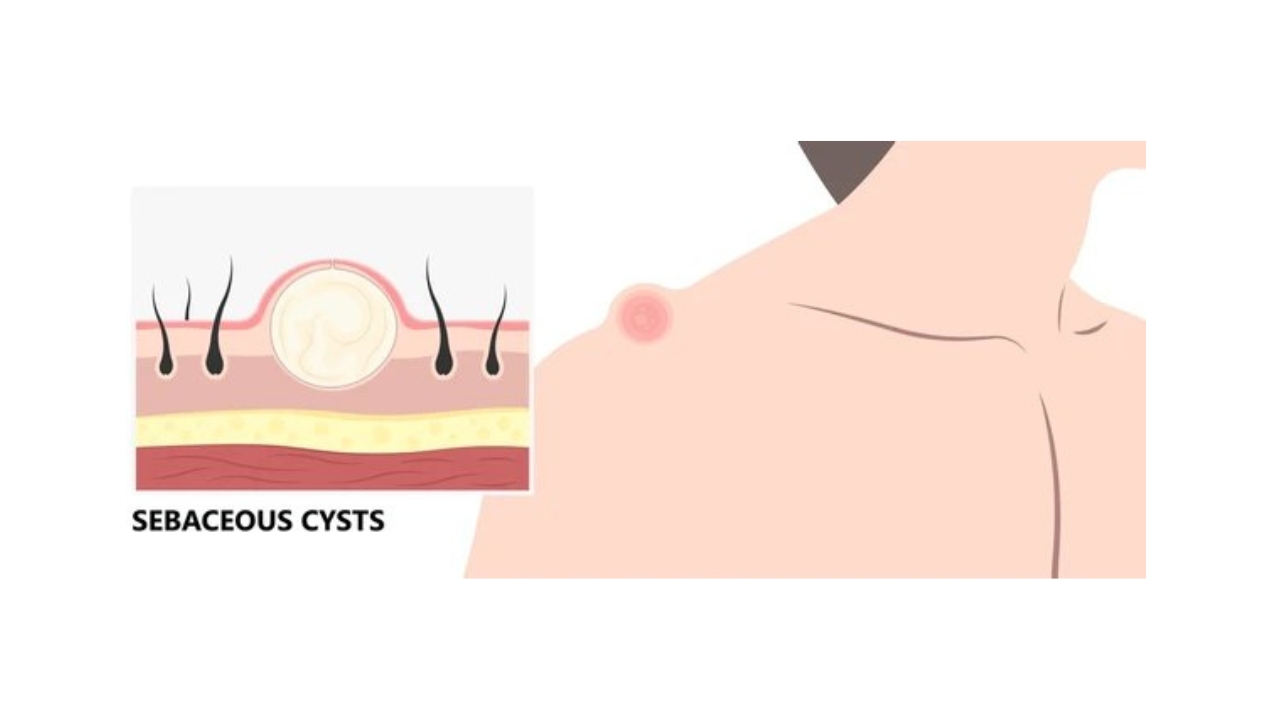
A sebaceous cyst is a slow-growing, non-cancerous lump that develops under the skin. It usually occurs due to blockage of a sebaceous gland or hair follicle and is filled with oily or semi-solid material.
Sebaceous cysts are commonly found on the face, neck, scalp, back, chest, and shoulders. These cysts are usually painless but may become painful or infected if left untreated.
At Medisure Surgery Care, sebaceous cysts are treated safely with proper medical evaluation and effective procedures.
What Causes a Sebaceous Cyst?
Sebaceous cysts form when the sebaceous (oil) glands get blocked. This blockage causes oil and dead skin cells to collect under the skin, forming a cyst.
Common causes include:
- Blocked hair follicles
- Skin injury or trauma
- Acne or skin infections
- Excess oil production
- Genetic factors
Common Symptoms of Sebaceous Cyst
A sebaceous cyst may show the following signs:
- A round, smooth lump under the skin
- Slow increase in size
- Usually painless unless infected
- Redness, swelling, or pain if infected
- Foul-smelling discharge in some cases
The size can range from small to several centimeters.
Is a Sebaceous Cyst Dangerous?
Sebaceous cysts are usually harmless and non-cancerous. However, complications can occur if the cyst becomes infected or ruptures. In rare cases, repeated infections or rapid growth may require medical attention to rule out other conditions.
How is a Sebaceous Cyst Diagnosed?
Diagnosis is generally simple and includes:
- Physical examination by a doctor
- Medical history review
- Ultrasound or tests (only if required)
Doctors at Medisure Surgery Care ensure accurate diagnosis and rule out other skin lumps like lipoma or abscess.
Treatment Options for Sebaceous Cyst
Treatment depends on the size, location, and symptoms.
1. Observation (No Immediate Treatment)
Suitable for small, painless cysts. Regular monitoring is advised, and no treatment is needed unless symptoms appear.
2. Medical Management
- Antibiotics if the cyst is infected
- Pain-relief medicines for discomfort
- Note: This provides temporary relief but does not remove the cyst completely.
3. Surgical Removal (Definitive Treatment)
Surgical excision is the most effective and permanent treatment. Procedure includes:
- Local anesthesia to numb the area
- A small incision over the cyst
- Complete removal of the cyst and its wall
- Minimal scarring when done properly
Removing the entire cyst wall reduces the chance of recurrence.
Recovery After Sebaceous Cyst Removal
- Mild swelling or discomfort for a few days
- Most patients resume normal activities quickly
- Stitches, if placed, are removed in 7–10 days
- Proper wound care ensures better healing
At Medisure Surgery Care, patients receive complete post-procedure care and guidance.
When Should You See a Doctor?
Consult a doctor if the cyst becomes painful or red, increases rapidly in size, foul discharge appears, or if the cyst keeps coming back. Early treatment prevents complications.
Takeaway
Sebaceous cysts are common and usually harmless skin lumps. While small cysts may not need treatment, infected or recurrent cysts should be removed completely to avoid future problems. Proper medical care ensures safe removal and quick recovery.
Why Choose Medisure Surgery Care for Sebaceous Cyst Treatment?
At Medisure Surgery Care, we provide reliable and patient-focused treatment:
- Experienced surgeons and medical team
- Safe and hygienic hospital setup
- Minimal scarring techniques
- Quick recovery and follow-up care
📞 Contact Medisure Surgery Care today to book a consultation for sebaceous cyst evaluation and treatment.